Chess Basics for Kids of Color: Ages 5 and Up - Copy
Parenting, Education, Chess for Kids of Color
Introducing Chess Basics to Children of Color (Ages 5 and Up)
Chess is more than a board game; it is a quiet confidence builder, a focus trainer, and a powerful way to show children of color that their minds are brilliant and capable. This guide shares practical, culturally affirming ways to introduce chess basics to children ages five and up—and includes a link to a dedicated beginner’s guide you can explore next.
Why Chess Matters for Children of Color
For children of color, chess can be a powerful counter-narrative to the stereotypes they may encounter. The game celebrates patience, planning, creativity, and resilience—qualities they already possess. When you place a chessboard in front of a young child and say, “This game is about how you think,” you send a clear message: your mind is valuable.
Chess also creates a calm space to connect across generations. Grandparents, parents, caregivers, and community mentors can all sit at the same table, share stories, and model strategic thinking. This is especially meaningful in communities where representation and mentorship are essential for building self-belief.
Starting Simple: How to Introduce the Board and Pieces (Ages 5+)
With children as young as five, your goal is to make chess feel inviting, visual, and playful. You do not have to teach every rule on day one. Instead, break the game into friendly, bite-sized moments:
Start with the story of the board. Explain that the board is like a neighborhood of 64 squares where different “characters” (the pieces) live and move in special ways. Children love stories; use that to your advantage.
Introduce just a few pieces at a time. Begin with pawns and the king. Let children practice how pawns move forward and how the king moves one square at a time. Keep it light and celebratory when they remember correctly.
Use mini-games. Play “pawn battles” (only pawns on the board) or “king and queen chase” (king versus queen) to help them focus on a single idea instead of the entire game at once.
💡 Pro Tip: Keep early sessions to 10–15 minutes. End on a positive note, even if they are just learning how the pieces move.
Making Chess Culturally Affirming and Relatable
Representation matters, even on a chessboard. When you introduce chess basics to children of color, look for ways to connect the game to their identities, histories, and communities so they feel seen and valued while they learn.
Highlight role models. Share stories of Black, Latino, Indigenous, and other players of color who have excelled in chess. Mention community champions, local club leaders, or well-known masters who look like them and come from similar backgrounds.
Use language that honors them. Instead of saying “This is hard,” say, “This is a thinking game, and you are a thinker.” Affirm their effort: “Every move you make is practice for your powerful brain.”
Connect chess to real life. Talk about how planning ahead in chess is like planning for school, sports, or future goals. This helps children see themselves as strategists in their own lives, not just on the board.

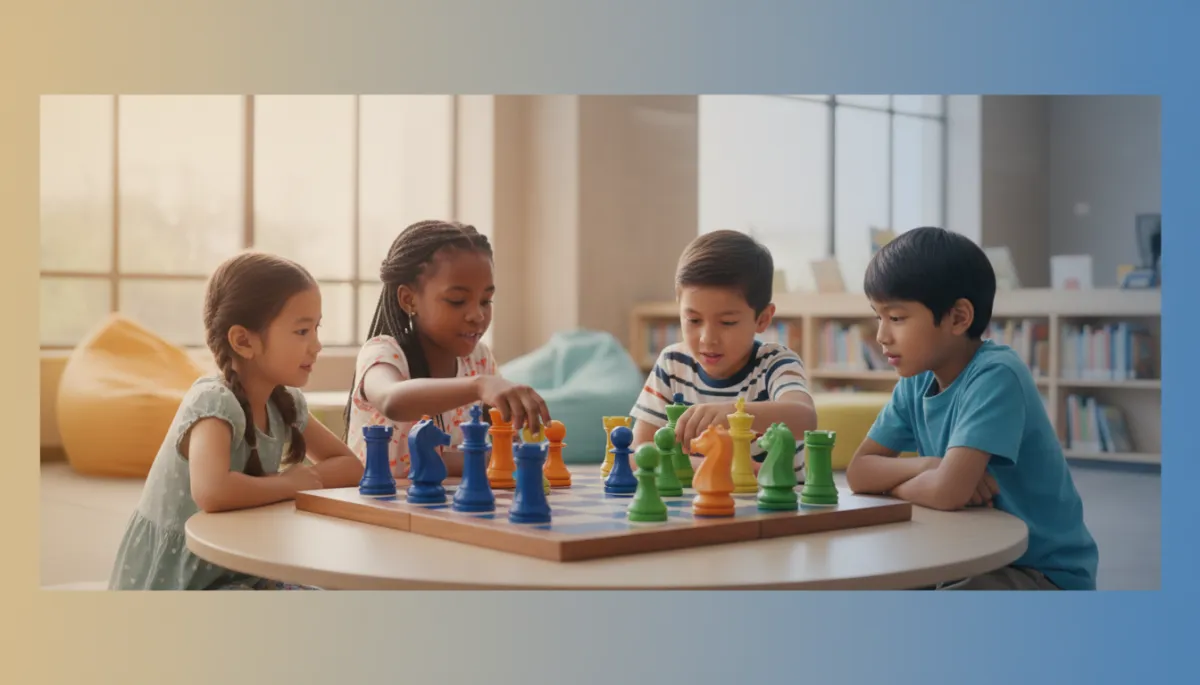
Peer and community mentors help children of color see themselves as natural strategists.
Building Confidence Through Gentle Structure and Praise
Children of color often face higher expectations and harsher criticism in school and public spaces. When teaching chess, create a different kind of environment—one rooted in patience, curiosity, and encouragement. Celebrate small wins: remembering how a knight moves, noticing a simple check, or calmly taking a deep breath before making a move.
If they make a mistake, frame it as information, not failure: “Now we know what happens when we move that piece there. Next time, you will see it coming.” This approach teaches children that their thinking can grow—and that growth, not perfection, is the goal.
📌 Key Takeaway: The way you respond to each move shapes how children feel about their own intelligence far beyond the chessboard.
Your Next Step: A Linked Beginner’s Guide to Chess Basics
Once your child is curious about the pieces and comfortable with short, playful sessions, you can deepen their learning with a structured beginner’s guide designed especially for young players. This companion article walks you through:
Clear explanations of how each piece moves and captures
Simple checkmate patterns to practice together
Kid-friendly exercises that reinforce focus, patience, and creativity
You can access that full beginner’s guide here: Click here to read the complete chess basics guide for children of color . Add this link inside your existing blog so readers can move smoothly from inspiration to action.
Closing Thoughts: Every Child Deserves a Seat at the Board
Introducing chess basics to children of color is not only about teaching a game—it is about opening a door. With each lesson, you remind them that their ideas matter, their strategies are powerful, and their presence belongs in every room where thinking and leadership are valued. Start small, stay consistent, and let the board become a space where their brilliance is not just seen, but celebrated.
