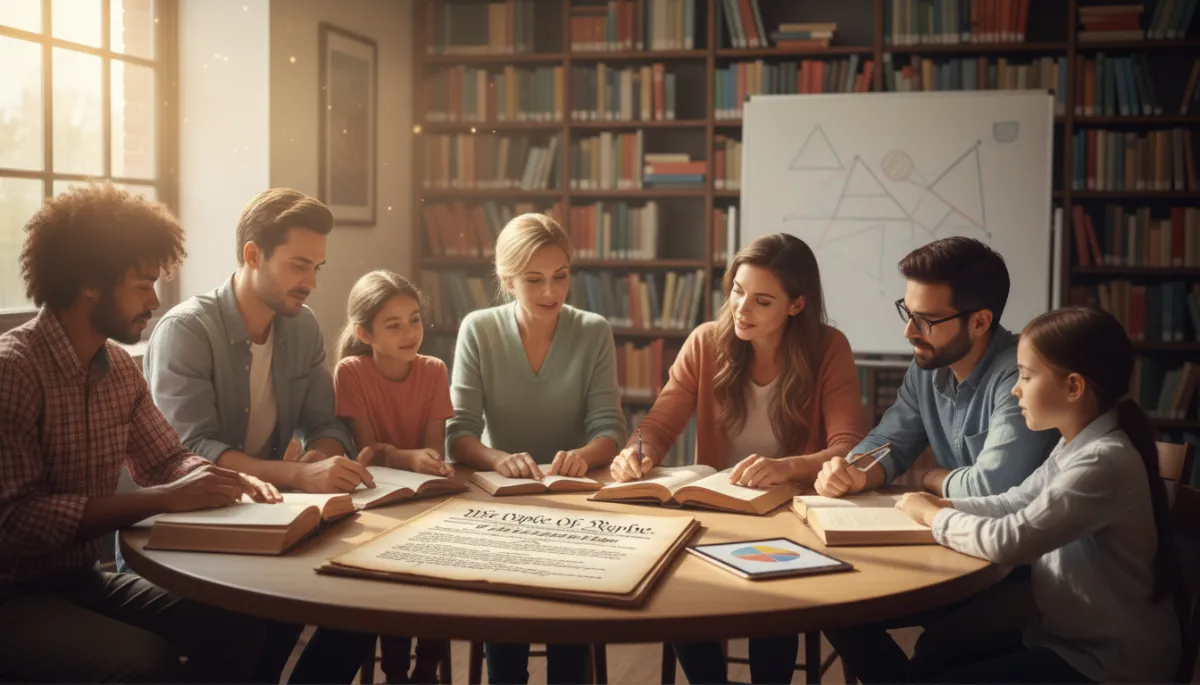
Understanding the Constitution: Our Voices Matter
DAY 0 OF 39 • WE THE PEOPLE, WRITTEN IN • STAY WOKE. BUILD LEGACY.
Civics, Democracy, Family Learning
Reading the Constitution from the Outside In: Why Our Voices Matter Now
As we walk toward another election season, this is a gentle invitation to gather as a family, pull the Constitution a little closer, and ask together: where were our people when this story began—and where are we in it now?
⚡ Stay Woke Moment
When the Constitution was signed in 1787, only about 6 out of every 100 people could vote. Enslaved people, women, Native nations, and most poor whites were excluded. Every expansion of "We the People" since then happened because ordinary people organized, marched, and voted. That work is not finished.
The Constitution: Powerful, Brilliant… and Incomplete
When the Constitution was signed in 1787, it was a groundbreaking document. It created three branches of government and a system of checks and balances that many nations later copied. But we also need to tell the whole truth at the dinner table: the people in that room were white men with property. Enslaved Africans, Indigenous nations, women, and poor whites were not invited into that vision of “We the People.”
In fact, the original Constitution protected slavery through clauses about “persons held to service” and counted enslaved people as three-fifths of a person for representation. That means many of our ancestors—Black, Native, immigrant, and women of all backgrounds—were used to build power but denied power themselves. Naming that truth is not about shaming our country; it is about understanding the starting line so we can see how far we’ve come and how far we still have to go.
The Bill of Rights and the Long Journey to “All of Us”
Just a few years later, the first ten amendments—the Bill of Rights—were added. They promised freedoms many of us cherish today: speech, religion, press, assembly, and the right to a fair trial. But at the time, those promises were largely interpreted for white men. It would take generations of organizing, protesting, and voting for those rights to be extended in practice to people of color, women, LGBTQ+ communities, people with disabilities, and immigrants.
Each generation has pushed the Bill of Rights closer to its full promise.
Amendments as Growth Points: Our Constitution Learns, Too
One hopeful truth I love to share with families is this: the Constitution was written to grow. Amendments are like the margin notes a nation writes to itself, saying, “We can do better.” After the Civil War, the 13th, 14th, and 15th Amendments ended slavery, promised equal protection, and said states could not deny the right to vote based on race. More than a century later, in 1965, the Voting Rights Act was passed to finally make Black voting rights real in the South, where violence and unfair tests kept people from the polls ( justice.gov ).
Women did not gain the constitutional right to vote until the 19th Amendment in 1920, and Native Americans were not granted U.S. citizenship until 1924, with many still blocked from voting for decades after ( archives.gov ). The story is similar for Asian American, Latino, and disabled communities: each group had to organize, demand recognition, and push the country to expand its circle of belonging.
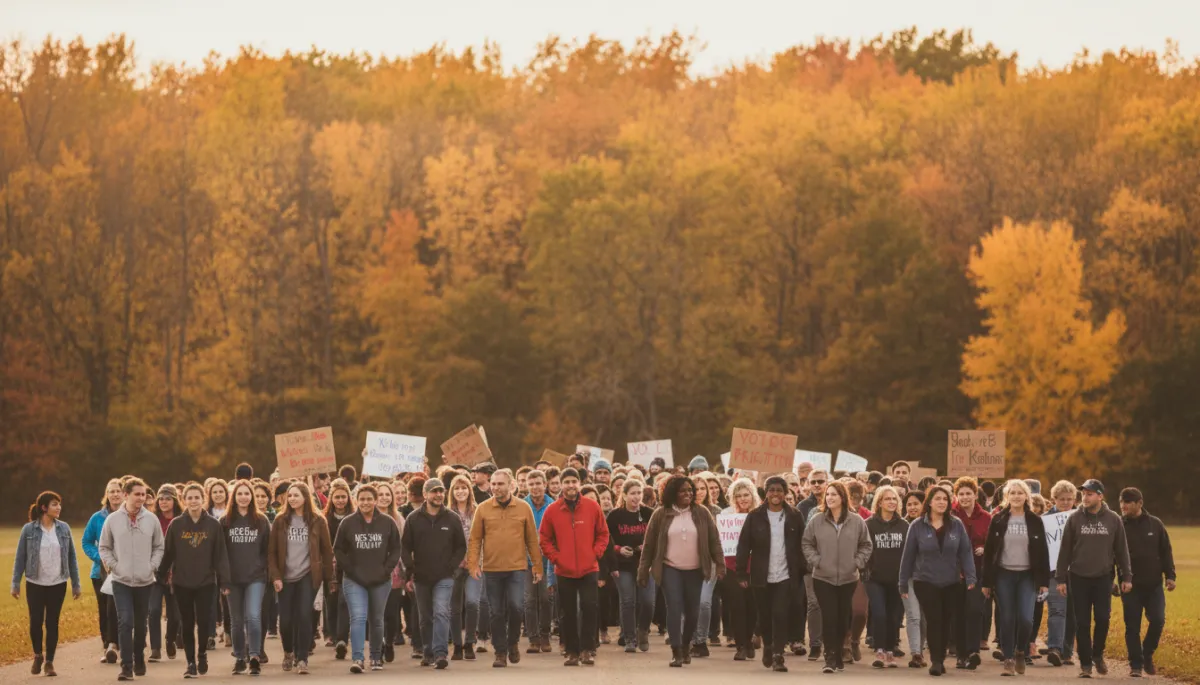
Ordinary people marching, voting, and organizing have driven every major rights expansion.
Civil Rights Today: Steps Forward and Steps Back
Our civil rights story did not end in the 1960s. In 2026, the Supreme Court reaffirmed birthright citizenship, striking down a 2025 executive order that attempted to limit citizenship for children born in the U.S. to noncitizen parents ( axios.com ). That decision protects millions of children in immigrant and minority families and keeps the 14th Amendment’s promise alive.
At the same time, other 2026 rulings—including Louisiana v. Callais (April 29, 2026)—made it harder to use race-conscious district maps to ensure fair representation for Black voters, and federal agencies have rolled back some tools used to address discrimination in schools and health care ( ed.gov ; hhs.gov ). Human Rights Watch, in its August 2026 report "Remedies Abandoned," found that civil rights offices across the federal government have lost significant staff, weakening enforcement just as new challenges emerge ( hrw.org ).
Democracy Under Pressure—and Why Your Vote Still Matters
Around the world, democracy is struggling. A 2026 report from International IDEA found that more than half of countries saw at least one area of democracy decline—especially free expression, fair elections, and access to justice ( idea.int ). Here in the United States, trust is low: a recent Gallup-Kettering survey found that only about 28% of Americans trust that political leaders will be held accountable to the nation's laws and Constitution ( gallup.com ).
Yet even in this tense moment, our responsibilities as citizens have not changed. Voting, serving on juries, staying informed, and peacefully speaking up are not extra-credit activities; they are the homework of a healthy democracy. In the 2026 midterms, all 435 House seats and 35 Senate seats are on the ballot, and states have already passed more than 400 election-related laws this year ( bipartisanpolicy.org ; ballotpedia.org ). Rules are changing quickly; our attention and participation have to keep up.
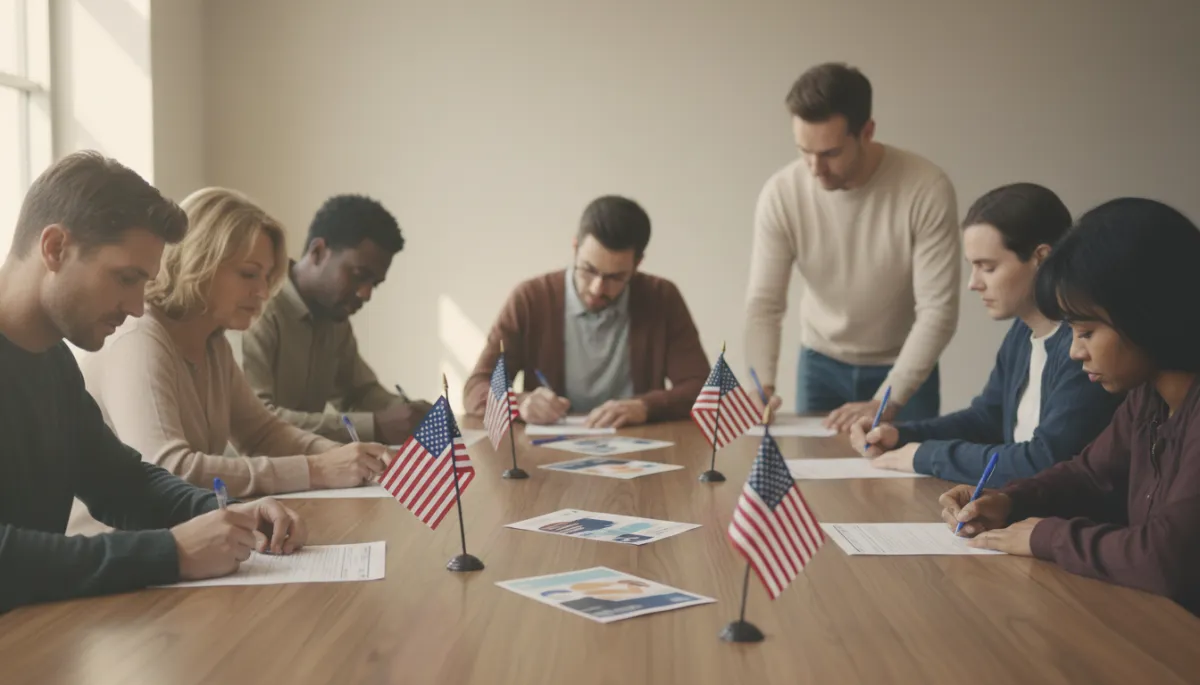
Registering, learning local rules, and showing up together strengthens every community’s voice.
Turning Family Conversations into Civic Action
If you or your children come from communities that were not in the room in 1787, your participation is not a small thing—it is the fulfillment of a promise delayed. Here are a few gentle questions you might ask around the table this week:
♟ Chess Corner — Week 1: The Pawn
In chess, the pawn starts as the weakest piece on the board—limited, overlooked, placed at the front. Sound familiar? But the pawn moves forward. One square at a time. And if it reaches the other side of the board, it can become any piece it wants—even a queen.
This week, we are all pawns stepping forward. Each Day 1–7 post follows the pawn's story. Join us for Family Game Night on Friday, Oct. 2, where we play Pawn Wars together.
🍽️ Family Table Talk
Who in our family would not have been allowed to vote 100 years ago? Fifty years ago?
Which rights in the Bill of Rights matter most to us in our daily lives?
What is one concrete step we can take before Election Day—registering, learning about a local race, or helping a neighbor get to the polls?
💡 Pro Tip: You can check your voter registration status in a few minutes at Vote.org or by visiting your state’s official elections website.
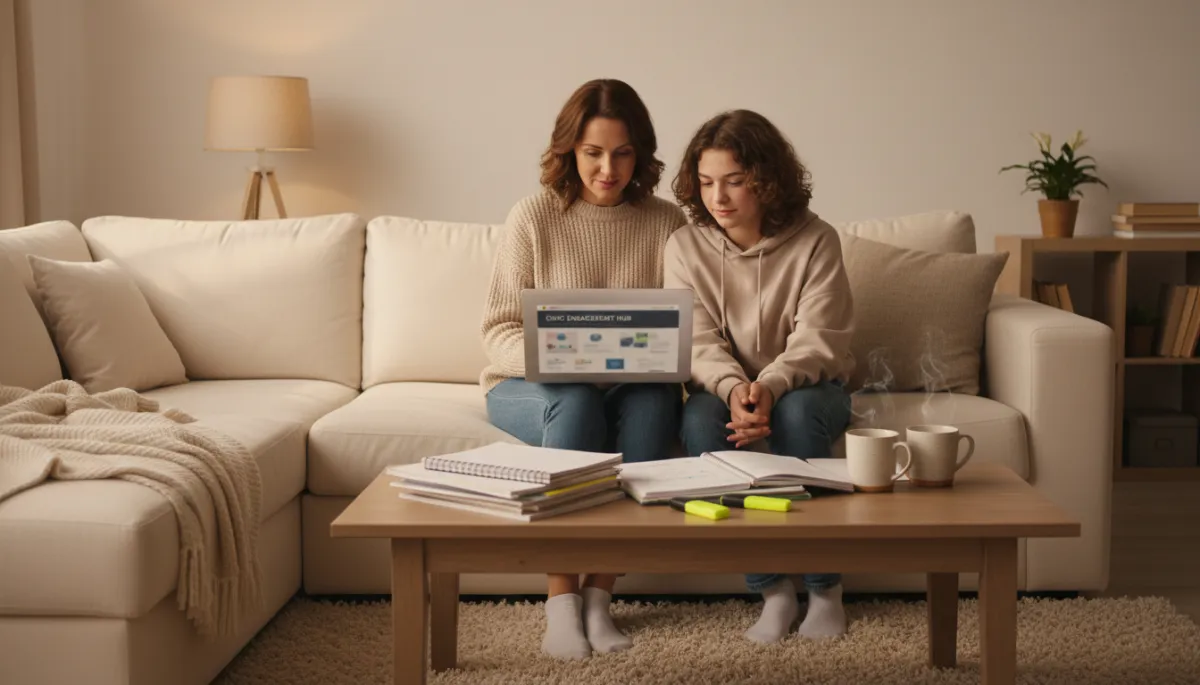
Learning together at home turns abstract rights into everyday responsibilities.
🗳️ Your Move
Texas families: Register to vote by Monday, October 5—that is 10 days from today.
- Register: VoteTexas.gov
- Not in Texas? Vote.org
- Early voting opens: Monday, October 19
- Election Day: Tuesday, November 3, 7 a.m.–7 p.m.
📊 Week 1 Family Poll — The Starting Line
Did this post surprise you? Take our 2-minute family poll—and get your free Pawn Wars game sheet when you sign up.
Poll runs Sept 26 – Oct 2 • Nonpartisan • No candidate or party questions
Education as a Form of Love for Democracy
At the heart of all this is education. Not just school-based learning, but the kind that happens when grandparents tell stories, when teens fact-check what they see online, and when families sit down to read about their rights together. Organizations like BEAMEducation.org are working to make civic education accessible and empowering, especially for communities historically left out of the conversation. BEAM Education is built on each family’s history and culture, partnering with you to create a targeted growth plan for your children and the future voters in your home.
Democracy is not a finished building we simply move into; it is a home we repair, repaint, and sometimes rebuild together. When we learn our history honestly, claim our rights boldly, and show up for one another at the polls and beyond, we honor those who were once written out of “We the People”—and we make sure their descendants are written in, clearly and permanently.
As this election approaches, may your household become a little civics classroom, a little organizing hub, and a little sanctuary of hope. Education is not just preparation for democracy; it is democracy in motion—one conversation, one question, one vote at a time. If you are a homeschooling family or would like additional supplemental education for your child and family, you can explore resources at BEAMH2O.org , and if you have children between the ages of 5–10 in the North Texas area, learn more about in-person learning communities at BEAMMicroschool.org .
