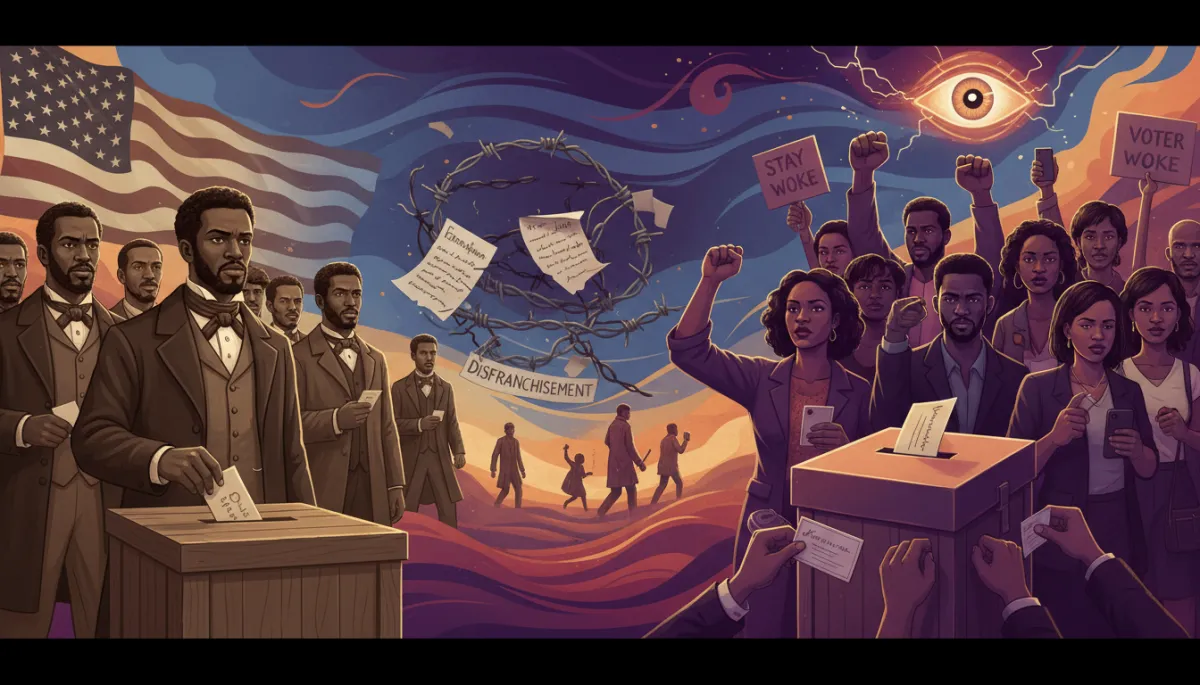
Stay Woke: Black Voting Rights History
Stay Woke, Black Voter History, Civil Rights, Voting Legacy, Disfranchisement, Election Awareness
Stay Woke: The Long Fight for Black Voting Rights in America
The story of Black voting rights in the United States is not a straight line of progress. It is a struggle marked by hard‑won victories, painful setbacks, and constant organizing. To truly “Stay Woke” about democracy today, we have to understand how easily rights were granted, taken away, and reclaimed over generations.
Early Glimpses of Freedom: When Some Free Black Men Could Vote
Long before the Civil War, a small number of free Black men in the North could vote. In the late 1700s and early 1800s, states like Pennsylvania, New York, New Jersey, and North Carolina allowed some free Black property owners to cast ballots. These men paid taxes, served in militias, and in some places stood in the same voting lines as white citizens. Their participation was limited and precarious, but it proved a powerful point: Black political power was never “new” — it was deliberately stripped away.
This early chapter of Black Voter History matters because it reminds us that Black people were part of the democratic process from the beginning. The problem was not that Black communities were unfit for citizenship; it was that lawmakers chose disfranchisement as a tool to maintain white supremacy and economic control.
How the Law Turned Backward: Systematic Disfranchisement by Design
As Black communities grew in numbers and influence, many states moved to shut them out of the ballot box. Beginning in the early 1800s, state constitutions were rewritten to quietly erase Black voting rights. In New Jersey (1807) and Pennsylvania (1838), lawmakers changed the rules so that only white men could vote. Other states added property and tax requirements that were nearly impossible for most Black residents to meet.
After the Civil War, the 15th Amendment promised that voting rights could not be denied because of race. For a brief period during Reconstruction, Black men were elected to local offices, state legislatures, and even Congress. But white supremacist backlash was swift. Southern states passed new laws to get around the Constitution:
Poll taxes forced voters to pay fees many Black families could not afford.
Literacy tests were used to fail Black voters with impossible questions, while white voters were quietly passed.
Grandfather clauses allowed white men to vote if their grandfathers had voted — something denied to most Black families by slavery.
Violence backed these laws. Black citizens who tried to vote faced threats, beatings, and lynchings. The goal was clear: disfranchisement — removing Black people from political power without ever writing “no Black voters allowed” on the books. This is why today’s Election Awareness must include an understanding of how “neutral” rules can have racist outcomes.
Organizing in the Shadows: Community Resistance and Civil Rights Momentum
Even in the darkest years of Jim Crow, Black communities refused to give up on the vote. Churches, mutual aid societies, and civic clubs quietly kept the flame of democracy alive. Local leaders organized voter education classes, raised money to pay poll taxes, and escorted people to the courthouse to register, despite the risks.
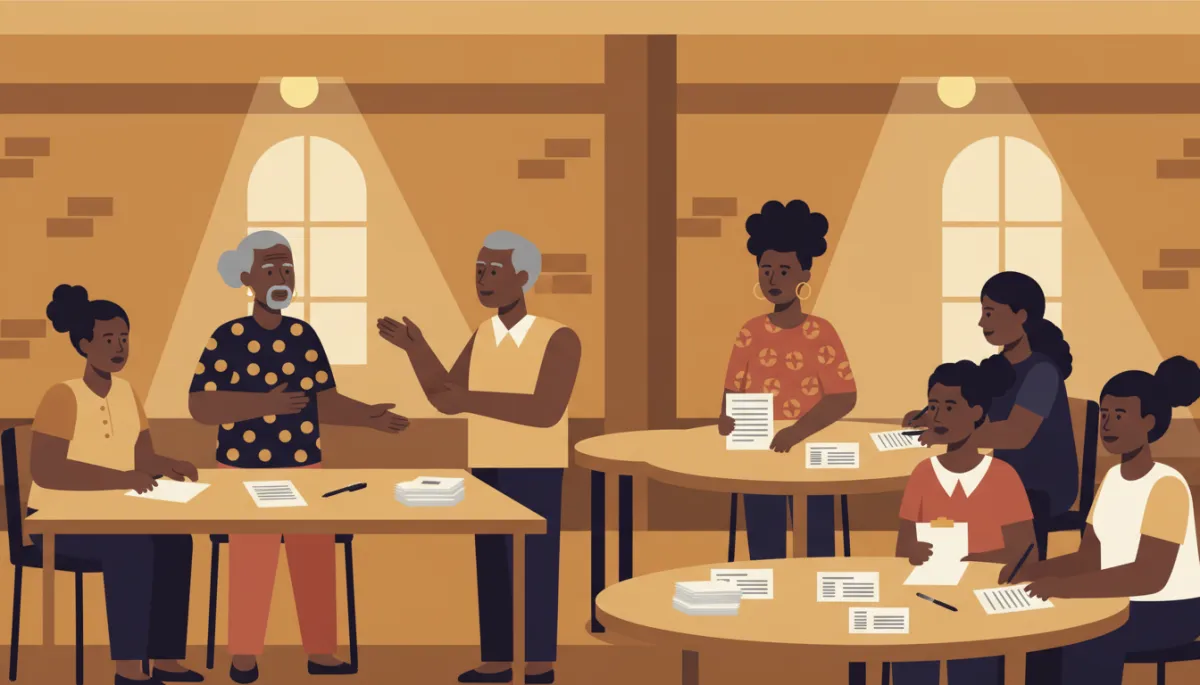
Grassroots meetings turned churches and homes into training grounds for voting rights activism.
In the mid‑20th century, Civil Rights organizations like the NAACP, SNCC, and the Southern Christian Leadership Conference built on this foundation. They organized freedom schools, mass registration drives, and public protests across the South. Events like Freedom Summer in Mississippi and the marches from Selma to Montgomery put Black voting rights at the center of the national conversation, forcing America to confront the gap between its ideals and its reality.
Their courage helped win the Voting Rights Act of 1965, which outlawed many of the most blatant forms of voter suppression. For a time, Black voter registration and turnout surged, and more Black officials were elected across the country. This was a defining moment in our Voting Legacy — but it was not the end of the fight.
When Rights Move Backward: Why “Stay Woke” Still Matters
One of the hardest lessons from Black Voter History is that progress is never permanent. The same way early rights for free Black men were rolled back in the 1800s, protections from the Voting Rights Act have been weakened in our own time. In 2013, the Supreme Court’s Shelby County v. Holder decision struck down key oversight provisions, opening the door for states to change voting rules without federal review.
Since then, we’ve seen:
Stricter voter ID laws that disproportionately impact Black, Brown, and low‑income voters.
Polling place closures in Black neighborhoods, forcing long lines and longer travel times.
Purges of voter rolls that quietly remove eligible voters who have not recently cast a ballot.
These tactics may look different from poll taxes and literacy tests, but the impact can be similar: disfranchisement by another name. That is why “Stay Woke” is not just a slogan; it is a survival strategy. Staying woke means paying attention to policy changes, asking who benefits, and remembering that rights can move backward when people look away.
Your Role in the Story: Stay Informed, Stay Registered, Stay Voting
The fight for Black voting rights has always been a community effort — and you are part of that community today. Honoring this Voting Legacy means more than posting a quote on social media. It means taking concrete steps to protect what earlier generations bled and died for.
Check your registration regularly, especially before local and midterm elections, not just presidential ones.
Learn your state’s rules about ID, mail‑in ballots, and registration deadlines so you are never turned away by surprise.
Help others vote — drive elders to the polls, share accurate information, or volunteer with nonpartisan voter protection groups.
💡 Call to Action: Staying woke about elections means treating every ballot like a piece of inherited property — something you protect, maintain, and pass on stronger than you received it.
The history of Black Voter History is a warning and an inspiration. It warns us that rights can be rolled back when power feels threatened. It inspires us by showing how ordinary people — teachers, preachers, students, neighbors — reshaped the nation through persistent organizing. To honor that work, we must Stay Woke, stay informed, stay registered, and most of all, keep voting.
📌 Join the BEAM Movement: If this history moves you, don’t stop at awareness. Subscribe, join, and follow the BEAM Movement to stay connected with ongoing work in education, civic engagement, and community power-building. Visit:
DrAndreaLong-Neslon.com – leadership, advocacy, and vision behind the BEAM Movement.
beameducation.org – education initiatives that empower families and communities.
beammicroschool.org – innovative microschooling rooted in equity and liberation.
beamh20.org – community wellness and holistic support for thriving futures.
educationbusinessautomation.com – tools and systems that help education leaders scale their impact.
When you plug into these spaces, you’re not just learning history — you’re helping to write the next chapter of Black civic power.
