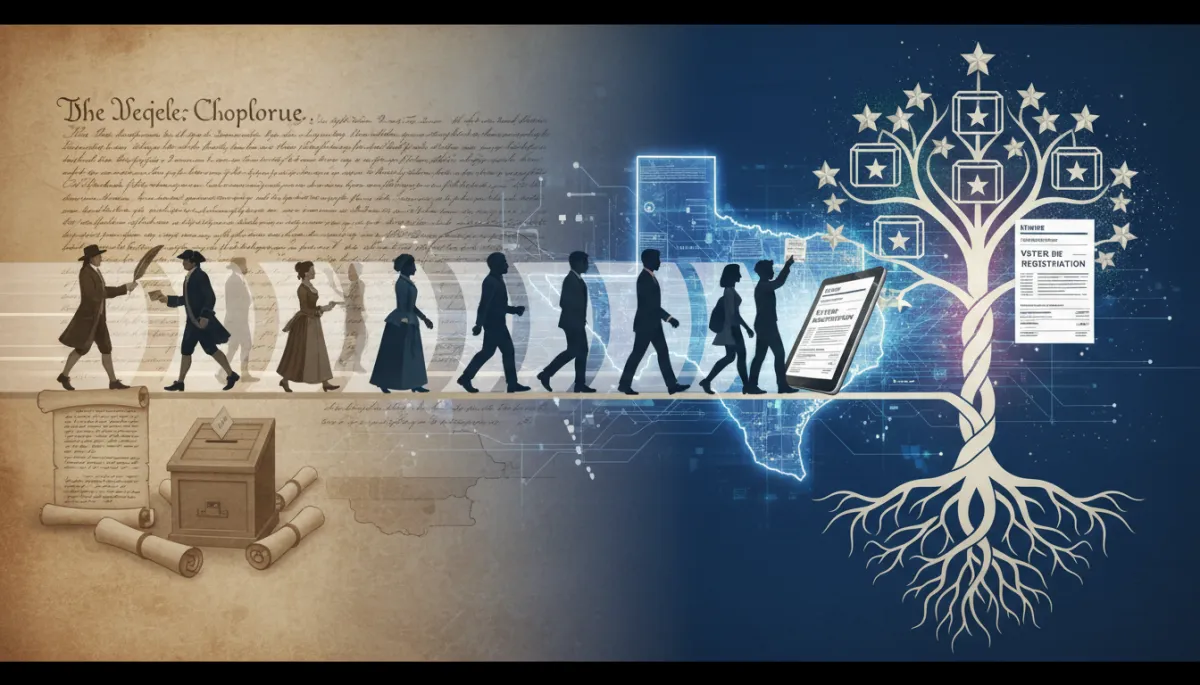
Stay Woke: Build Legacy Through Voting Rights
Stay Woke, Voting Rights, Election History, Legacy Building, Civic Engagement, Voter Registration
STAY WOKE. BUILD LEGACY.
How the long, unfinished struggle for voting rights in America calls each of us to civic engagement, voter registration, and legacy building today.
From the First Ballots: Who Was Allowed to Decide?
The story of American voting rights begins with a contradiction. The Constitution created a new republic, yet the first elections under the Constitution in the late 1780s and early 1790s were anything but inclusive. States set their own rules, and most limited the vote to white men who owned property or paid certain levels of taxes. Enslaved people, Native Americans, most free Black people, women, and many poor white men were locked out of the ballot box.
These early restrictions remind us that what we often take for granted today—walking into a polling place, casting a ballot, and having it counted—was once a privilege reserved for a narrow slice of society. From the very beginning, the question of who gets to vote has been at the heart of America’s struggle to live up to its own ideals. To Stay Woke about our democracy means seeing that the right to vote was never handed out freely; it was demanded, debated, and defended across generations.
A Surprising Chapter: Women Voting in New Jersey
One of the most fascinating episodes in American election history comes from New Jersey in the late 1700s. While nearly all states barred women from the polls, New Jersey’s early state constitution used the word “inhabitants” instead of “men.” As a result, from 1776 to 1807, some women—primarily white women who owned property—legally voted in state and local elections. Free Black property owners could also vote.
This brief window did not last. In 1807, lawmakers rewrote the rules and explicitly restricted voting to white male citizens. The New Jersey story shows two truths at once: early America was more flexible in some places than we assume, and rights that are not protected can be taken away. To build legacy we must remember that progress is not always a straight line forward. Staying engaged, informed, and organized—staying woke—is what keeps hard-won rights from slipping away.
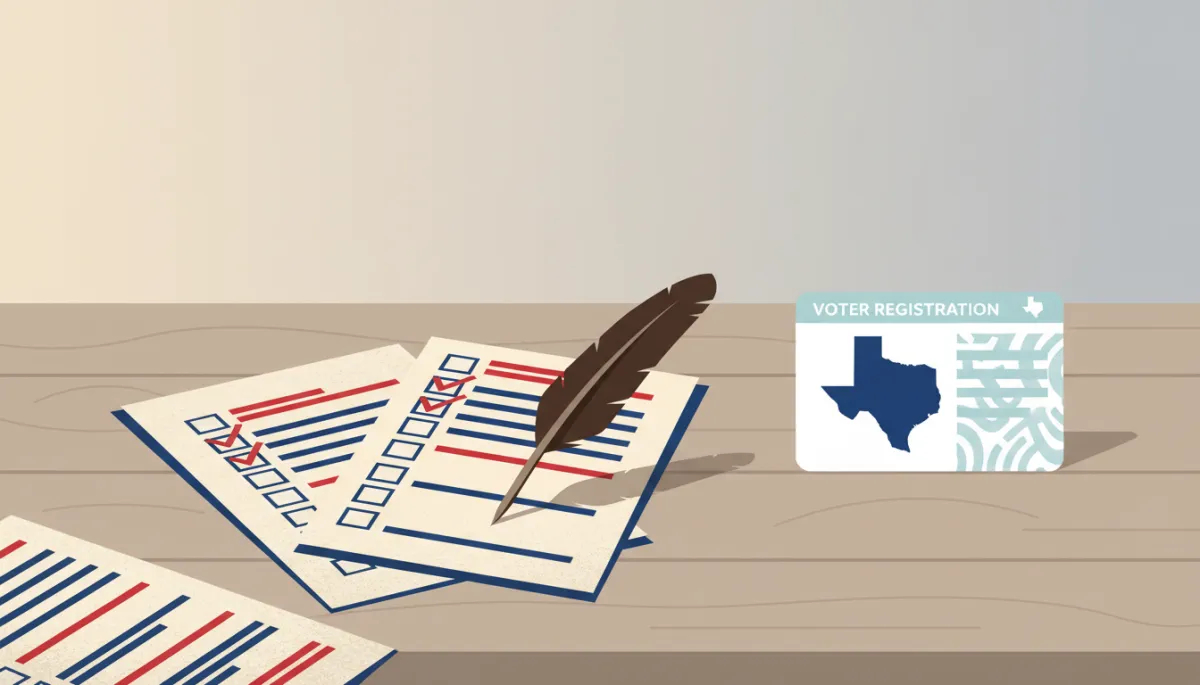
Every generation rewrites the story of voting rights with its own ballots.
Expanding the Electorate: Amendments, Movements, and Backlash
Over time, the United States slowly expanded the vote. In the 1800s, many states dropped property requirements, opening the ballot to more white men. After the Civil War, the 15th Amendment promised that the right to vote could not be denied because of race, color, or previous condition of servitude. Yet in practice, Black Americans—especially in the South—faced poll taxes, literacy tests, intimidation, and violence that stripped this promise of its power.
The 19th Amendment in 1920 extended voting rights to women nationwide, decades after those early New Jersey voters were pushed out. Later, the 24th Amendment banned poll taxes in federal elections, and the 26th Amendment lowered the voting age to 18. The ongoing fight for voting rights reached a turning point with the Voting Rights Act of 1965, which attacked discriminatory practices and sent federal oversight into places where suppression was most entrenched.
💡 Pro Tip: Each amendment and law was won by people who organized, marched, lobbied, and voted. Your civic engagement continues that legacy.
Modern-Day Voting in Texas: Progress and Pressure Points
Today, modern-day voting in Texas reflects both the victories and the vulnerabilities of this long struggle. Texas is home to one of the nation’s largest and most diverse electorates, yet it also has a history of voter suppression—from white primaries in the early 20th century to strict voter ID laws and frequent changes to voting rules in recent years. Court cases and legislative battles continue to shape who can vote, how they vote, and which votes are counted without extra hurdles.
Texans face choices about mail-in ballots, early voting locations, and acceptable IDs that can either open doors or quietly close them. In this environment, to Stay Woke means paying attention to deadlines, understanding your rights, and helping your community navigate the process. The fight for fair access to the ballot did not end with the civil rights era; it shows up today in debates over redistricting, language access, and the closing or consolidation of polling places.
Civic Engagement and Voter Registration: Your Everyday Legacy
When we talk about Legacy Building, we often think of wealth, property, or career achievements. But a powerful legacy is also measured in the institutions we strengthen and the rights we protect for those who come after us. Registering to vote, helping a neighbor check their registration, or volunteering at the polls may seem small in the moment. Yet these acts of civic engagement are how communities shape schools, roads, healthcare, and justice systems for generations.
In Texas, voter registration is the gateway to that influence. Deadlines matter. Address changes matter. Knowing your polling location matters. Each time you update your registration, encourage a new citizen to register, or guide a young first-time voter through the process, you are doing more than participating in an election—you are building a civic culture that says every voice counts. That is how families and communities create a legacy that outlives any single election cycle.
Stay Woke. Build Legacy. Start Now.
From the first restricted elections under the Constitution to today’s complex landscape of modern-day voting in Texas, one pattern is clear: rights expand only when ordinary people insist on being heard. The women who briefly voted in New Jersey, the Black Texans who faced literacy tests and intimidation, the organizers who pushed for the Voting Rights Act—they all chose action over silence. Their courage is the inheritance we carry. Our responsibility is to add to it, not let it fade.
To Stay Woke is to recognize that democracy is not automatic. To Build Legacy is to claim your place in its story. Check your registration. Learn the rules in your county. Talk with family and friends about why their vote matters. Volunteer, advocate, and show up—especially when it feels inconvenient. The ballot you cast today, and the voters you help bring to the polls, are the chapters future generations will read when they study America’s voting rights journey.
Your vote is more than a choice on a single issue; it is a promise to those who fought before you and those who will come after you. That is how Election History is written, how Civic Engagement becomes culture, and how Voter Registration turns into generational power. Stay woke. Build legacy. Start with your next election.
Take Action: Your Next Steps
1. Register to vote. If you’re not registered—or you’ve moved, changed your name, or haven’t voted in a while—take a few minutes today to complete or update your voter registration. Your registration is the key that unlocks your voice at the ballot box.
2. Check your registration status. Even if you think you’re registered, verify it. Confirm your address, polling location, and any ID requirements well before Election Day so there are no surprises when you show up to vote.
3. Vote in every election. Local, state, and national elections all shape your daily life. Mark your calendar, make a plan, and bring someone with you. Each ballot you cast is a brick in the legacy you’re building.
📌 Key Takeaway: Don’t wait for the “big” elections. School boards, city councils, and local judges make decisions that echo for generations. Your consistent participation is powerful.
4. Stay connected to the movement. For more stories, tools, and resources on civic engagement and legacy building, subscribe for future blogs and join the BEAM movement at www.beameducation.org. When you plug into a community of informed, active voters, you multiply your impact.


